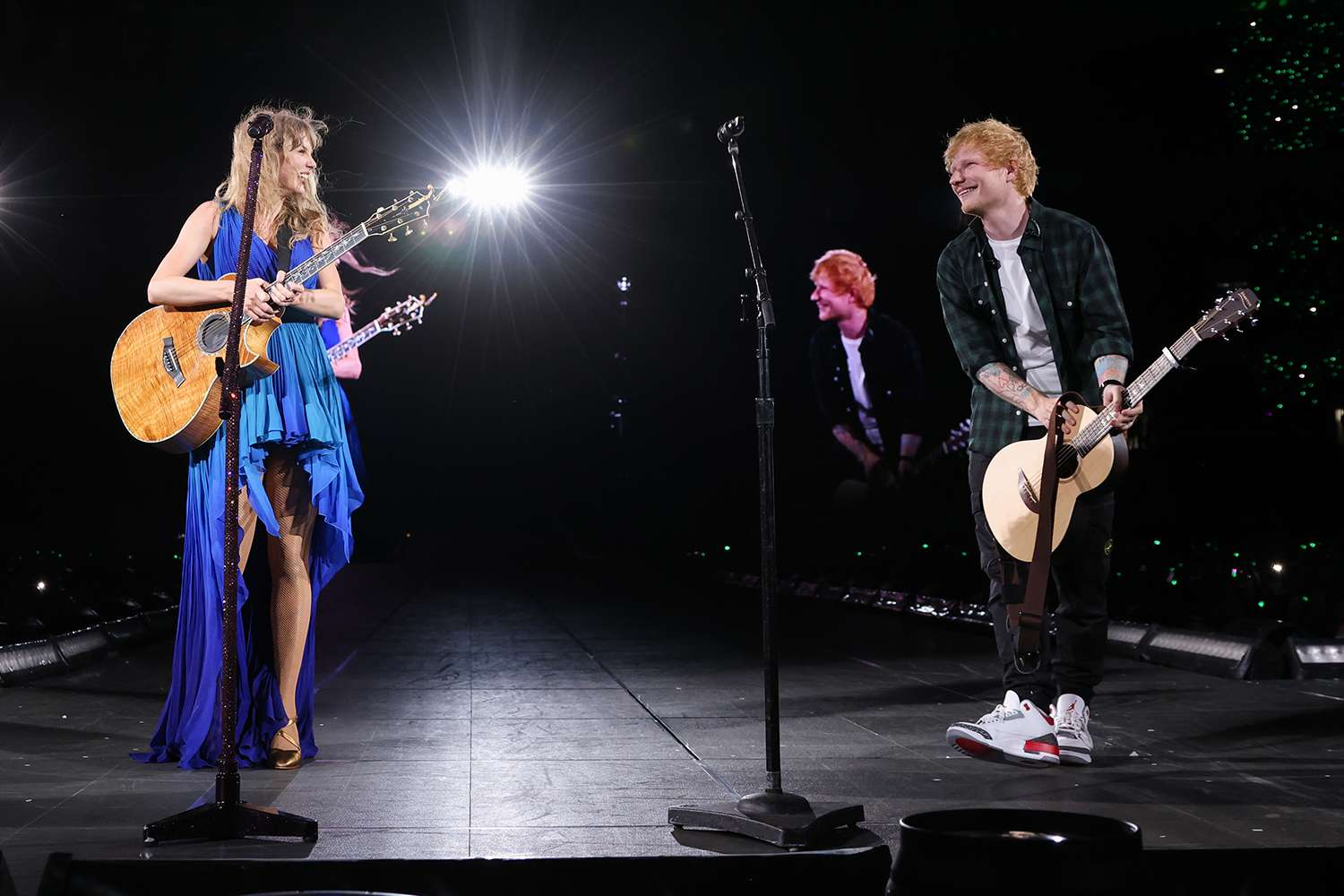
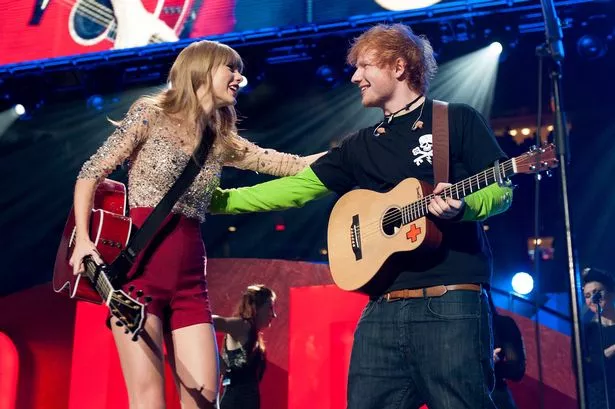
Under the desert night sky at Coachella, Billie Eilish turned the stage into a confessional, and in one moment, she bared her soul to thousands. As the music built and the crowd roared, Billie took a breath, and then it happened — that devastating line in “NDA” — “You could’ve saved me but you can’t let me go.”
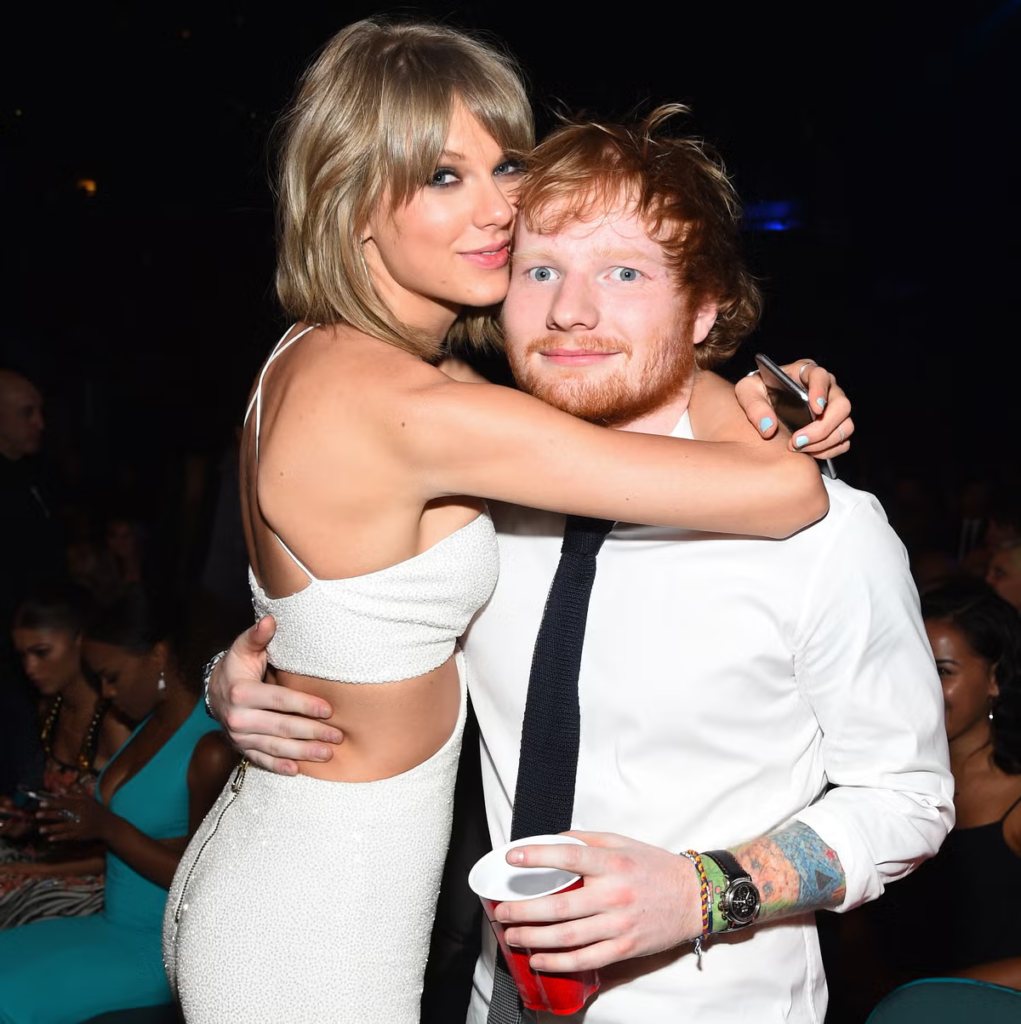
It wasn’t just the lyric that stopped the crowd. It was the way Billie delivered it. There was nothing but a flickering spotlight on her, cutting through the dark, and her voice — raw and unfiltered — held the weight of every unspoken word. It was as if, in that instant, she wasn’t performing for thousands of people, she was sharing her most vulnerable truth, her pain, and her liberation all at once.
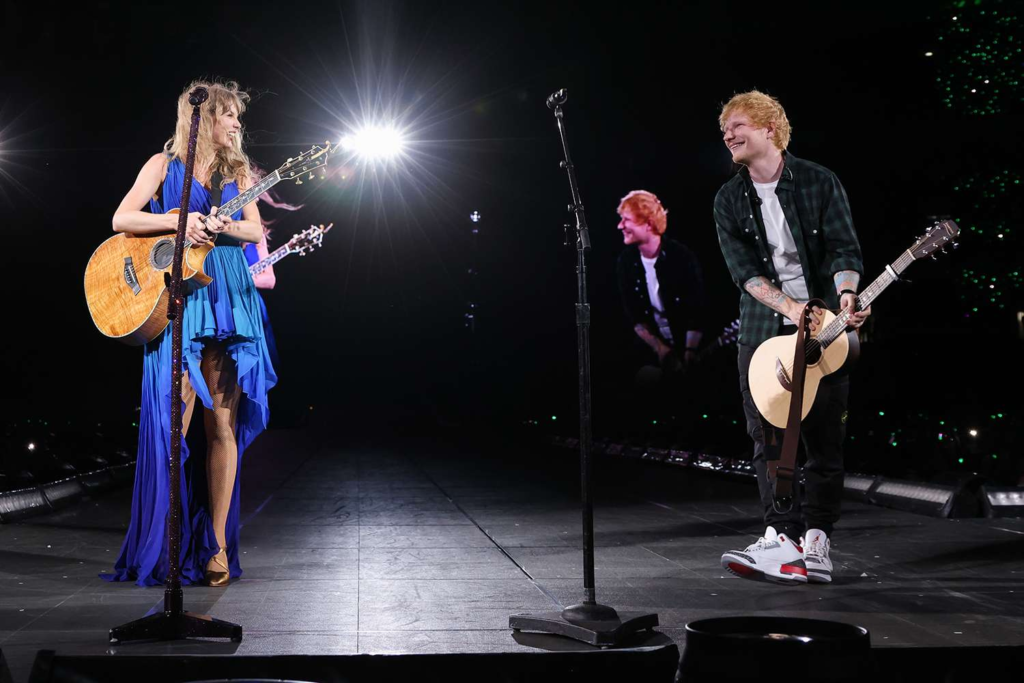
As Billie sang, the festival, usually alive with cheering and clapping, fell into complete stillness. Thousands of strangers, under the vast desert sky, held their breath as one. No distractions. No noise. Just Billie and the haunting honesty of her voice. She transformed a festival anthem — typically brimming with youthful rebellion — into a raw, aching cry for freedom. It was a moment of pure emotional connection that transcended the usual festival atmosphere.
The impact of that single moment was profound. It wasn’t just about the music. It was about vulnerability. The way Billie Eilish, in that flickering light, stood in front of thousands and made them feel every ounce of the truth she was singing. And in return, the crowd didn’t just cheer — they froze, suspended in the same emotional space. The unspoken bond between artist and audience was palpable. In that breathless pause, vulnerability proved its power.
Billie Eilish’s performance was proof that when you sing with truth, it doesn’t just resonate — it shakes an entire field of people to their core. And in that moment, we were all reminded of the healing power of music, and the beauty of being brave enough to show our scars.