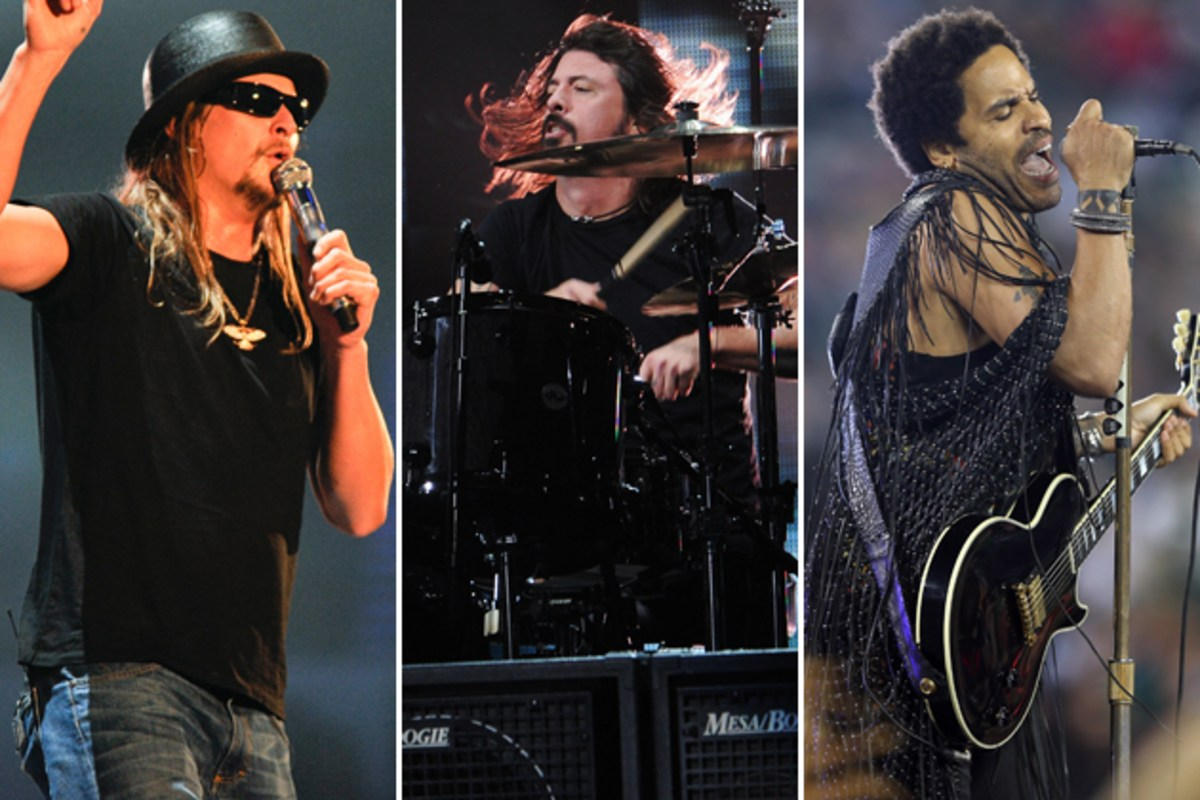
The lights burst white-hot, the first riff cracked like a bolt of lightning splitting the sky, and in that instant, Lenny Kravitz stopped being a man — he became a conduit, a living, breathing extension of rock and roll’s rawest spirit. As the iconic opening of “Whole Lotta Love” roared through the Kennedy Center, time bent, thunder rolled, and suddenly the stage wasn’t just a stage — it was hallowed ground.
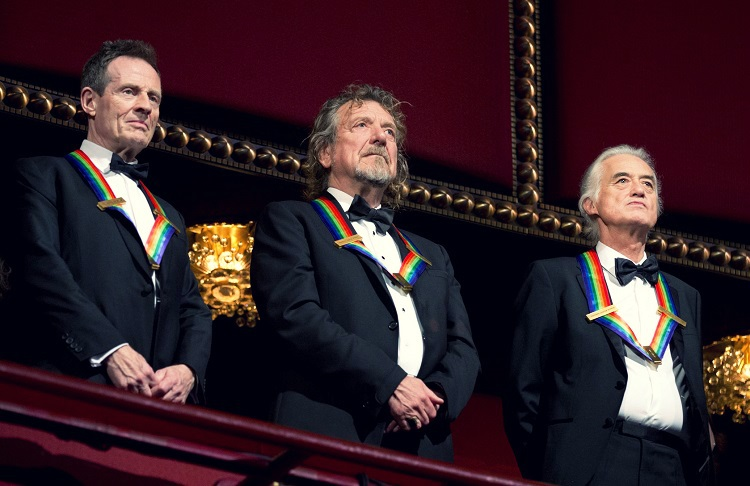
Up in the balcony, Jimmy Page, Robert Plant, and John Paul Jones leaned forward, their faces lit with something between awe and joy. These weren’t tight-lipped legends guarding their legacy — they were kings watching a worthy heir take the throne. Page grinned. Plant’s eyes sparkled. Jones tapped his knee in time. They weren’t just watching a performance — they were witnessing a transformation.
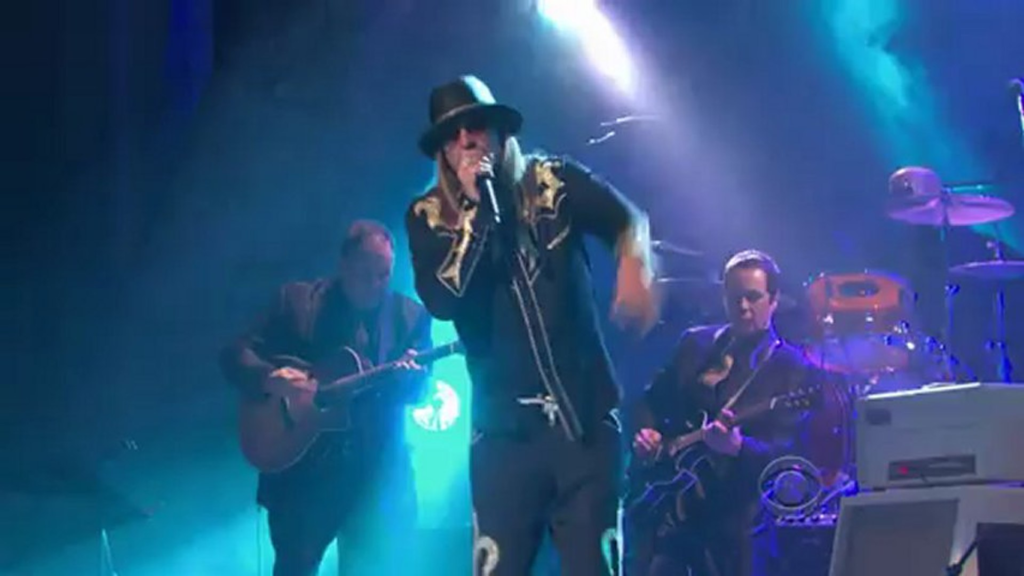
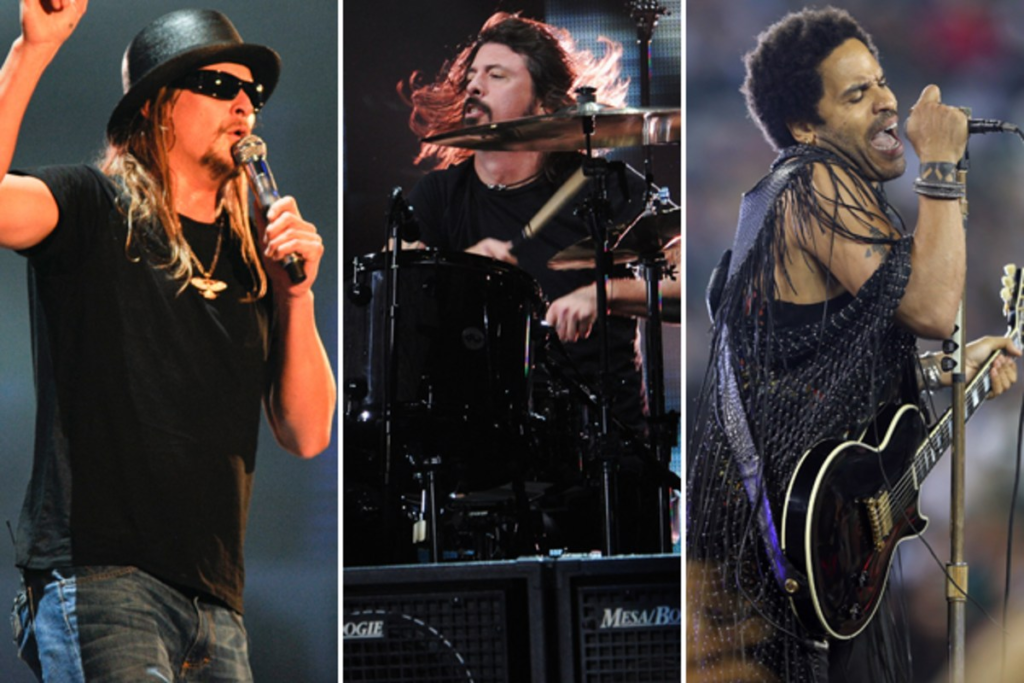
Kravitz didn’t cover Led Zeppelin. He didn’t impersonate or mimic. He conjured. He stomped across the stage with the unfiltered swagger of a man who knew exactly what he was summoning: lust, rebellion, freedom — everything that made Zeppelin immortal. His scream tore through the room like a sonic flame, primal and real. His guitar growled and soared with abandon, and every beat of the drum felt like it could crack the marble walls. It wasn’t polished. It wasn’t pretty. It was dangerous. It was alive.
The audience — a mix of dignitaries, icons, and rock royalty — stopped clapping in rhythm because they forgot how to breathe. Their heads tilted back, eyes wide, mouths open. This wasn’t a performance to appreciate. It was one to survive. When the final note exploded into silence, there was a beat where no one moved. And then — chaos. A standing ovation so explosive, it felt like the roof would lift off the building.
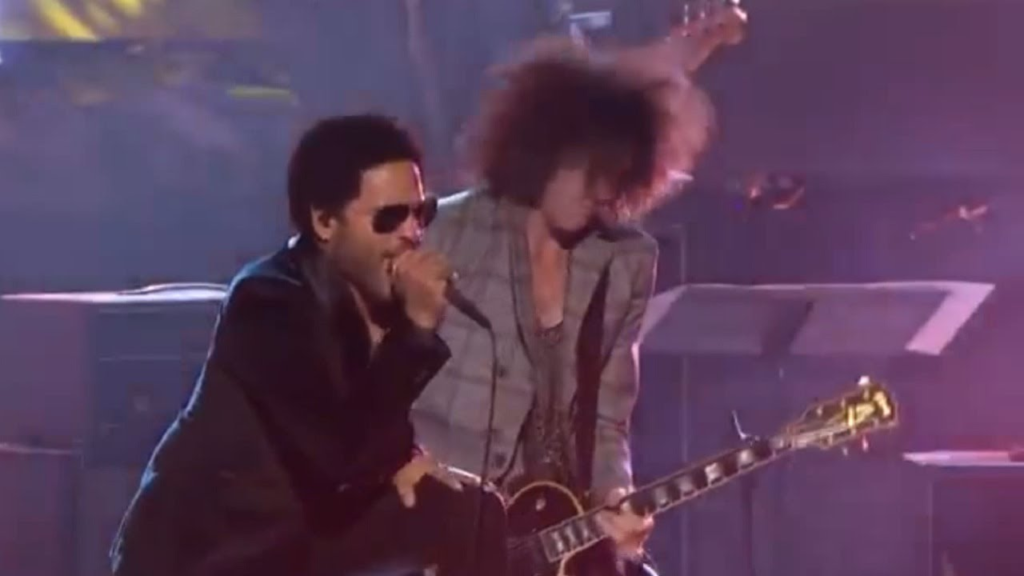
Because for five minutes — just five volcanic, hair-raising, soul-shaking minutes — Lenny Kravitz didn’t just pay tribute to Led Zeppelin.
He became the storm they once were.